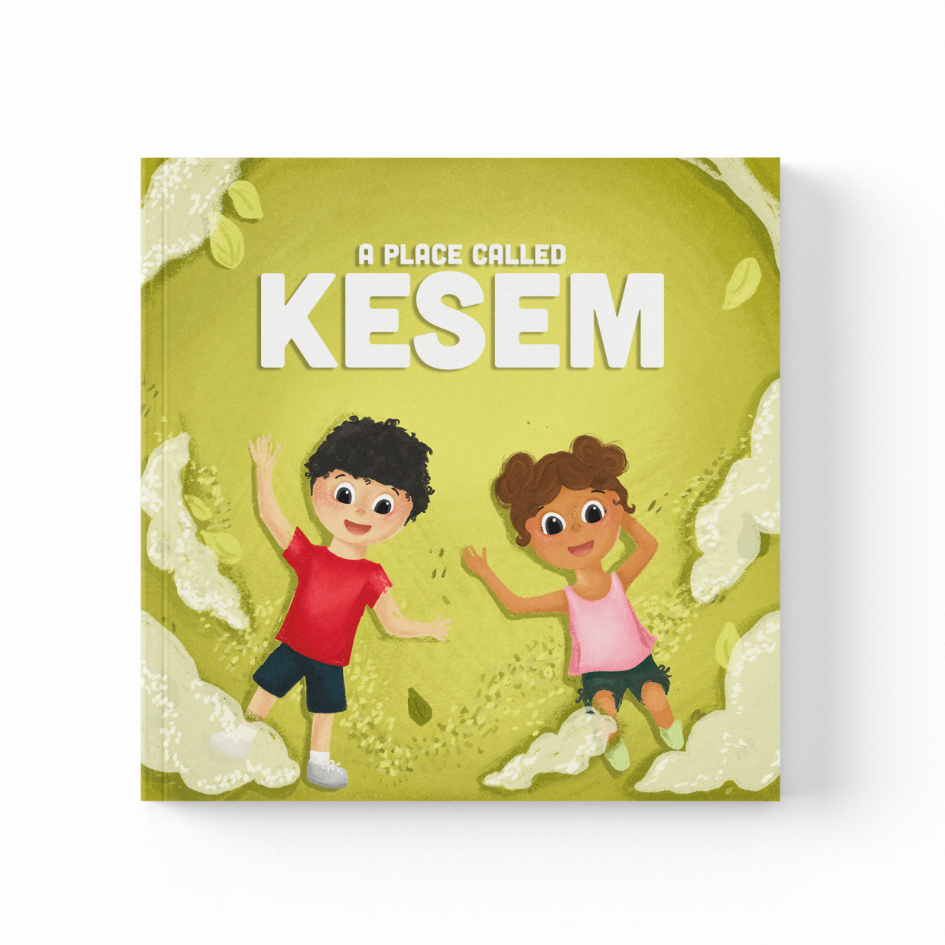
Book cover titled 'A Place Called Kesem' featuring two cartoon children lying on a green background with scattered leaves and white cloud-like shapes; one child has curly dark hair and wears a red shirt and blue shorts, the other has curly brown hair and wears a pink tank top and green shorts.

Senior Capstone

Topic Synopsis:
How does a parent’s serious illness such as cancer affect a child’s emotional development and how do support programs like CampKesem mitigate these effects?

The purpose of this research is to understand the emotional anddevelopmental challenges children face when a parent is diagnosedwith a serious illness such as cancer, and to evaluate how supportprograms like Camp Kesem help mitigate these effects through community, coping skill development, and long-term emotional support.

What Is Kesem?

This project focuses on Camp Kesem, a free summer camp for children whose parents are affected by cancer. During my time at James Madison University, I have served as a camp counselor with Kesem at JMU, where I have witnessed firsthand the powerful impact the organization has on the campers it supports.
‍
Kesem is important because more than 5 million children in the United States experience a parent’s cancer diagnosis, yet few resources exist specifically for them. Kesem is the only national organization dedicated to supporting these children through a community built on connection, understanding, and care.
‍
No child should feel alone while navigating something as difficult as a parent’s illness. Camp Kesem creates a space where campers can find joy, support, and people who understand what they are going through, ensuring they always have someone to lean on.
Process

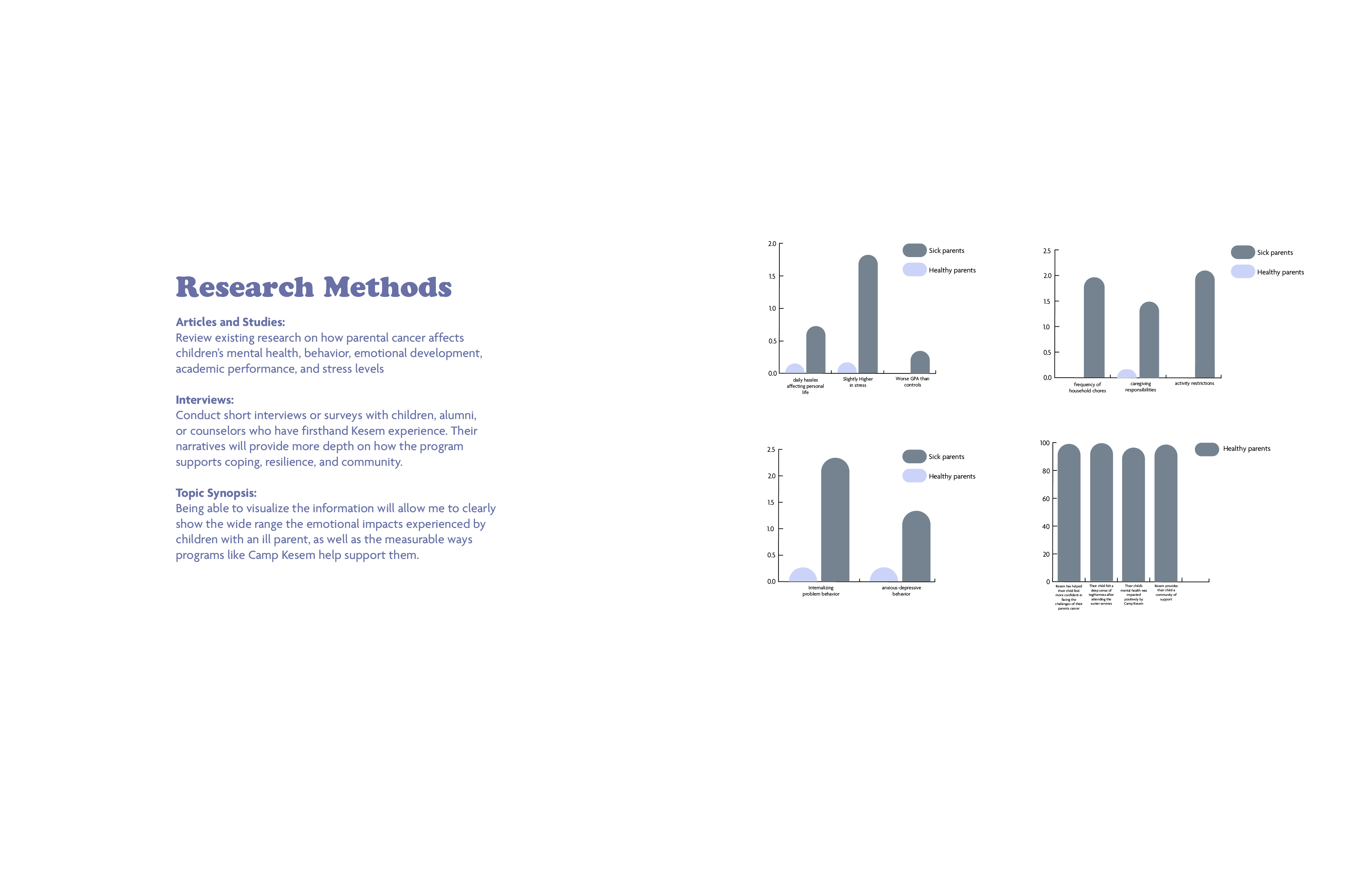
Research Methods section describes using articles, studies, and interviews on how parental cancer affects children’s mental health, behavior, emotional development, academic performance, and stress. It explains the value of visualizing emotional impacts on children with ill parents and support from programs like Camp Kesem. Four small bar charts compare data for children with sick versus healthy parents: 1) daily hassles, stress levels, GPA; 2) household chores, caregiving, activity restrictions; 3) internalizing problems, anxious-depressive behavior; 4) challenges faced, depressive symptoms, social impacts, and support from Camp Kesem, showing higher issues among children with sick parents.
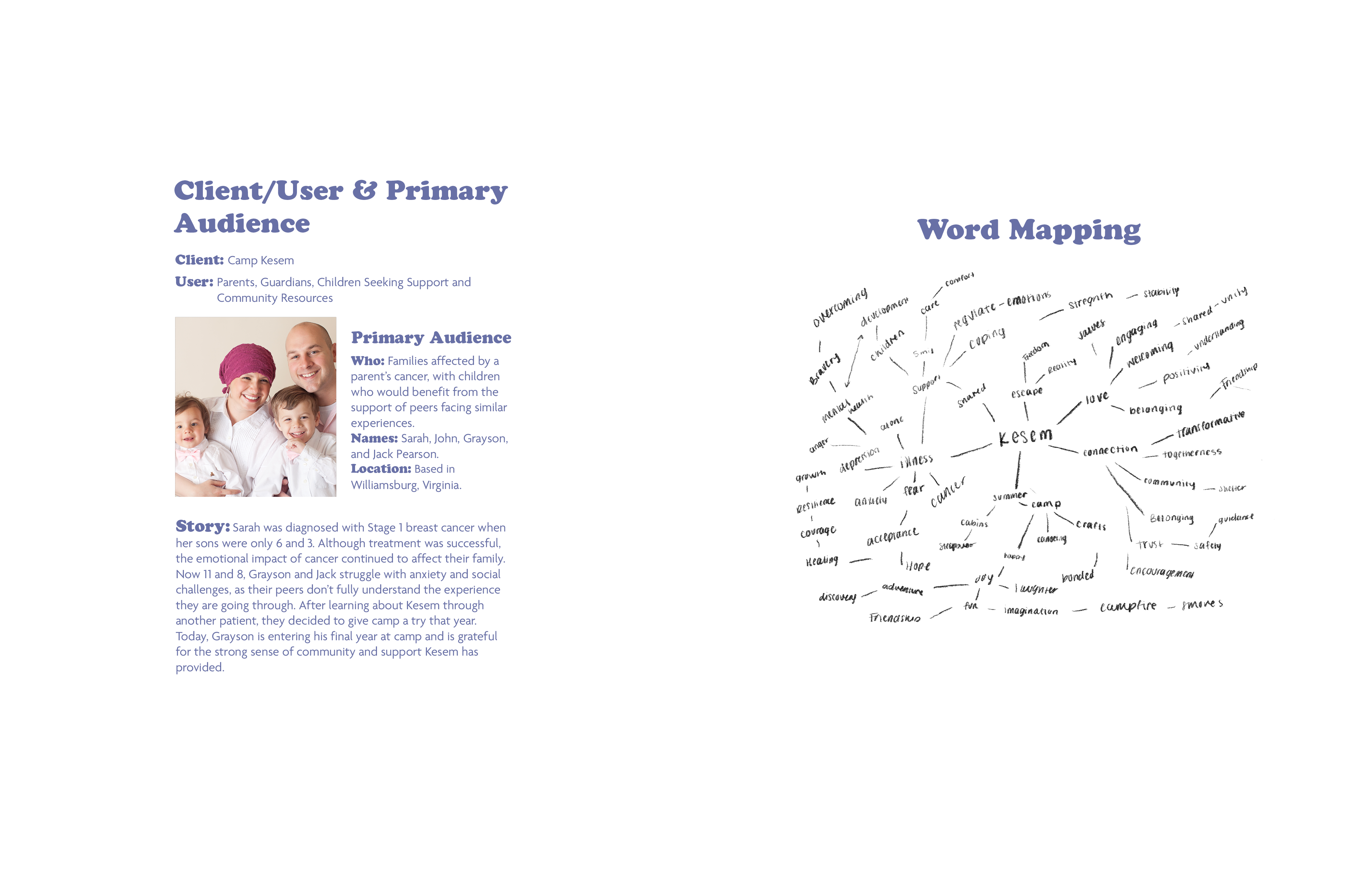
Two-page layout with left side titled 'Client/User & Primary Audience' describing Camp Kesem's client, users, and primary audience including a photo of a woman with a headscarf, a man, and two children. Text details the primary audience as families affected by a parent’s cancer and a story about Sarah and her sons Grayson and Jack coping with cancer. The right side titled 'Word Mapping' shows a handwritten word map centered on 'Kesem' with branches including illness, cancer, hope, connection, camp, love, and other related words such as fear, support, community, belonging, and encouragement.
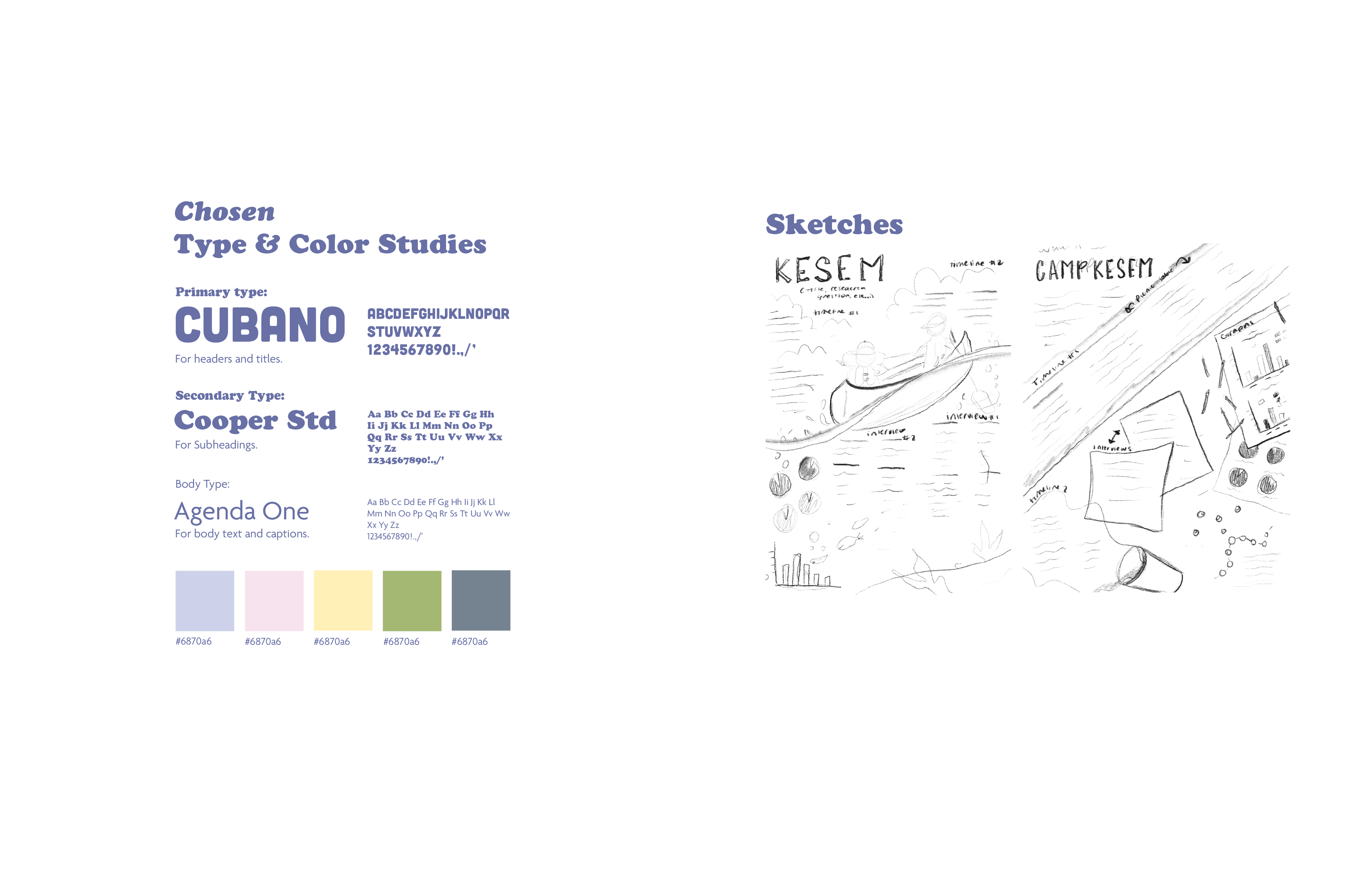
Design layout showing chosen type and color studies with three fonts: Cubano for headers, Cooper Std for subheadings, and Agenda One for body text, each with alphabet and numeral samples. Below are five color swatches in pastel shades with hex code #6870a6. On the right side, two pencil sketches titled 'KESEM' and 'CAMPKESEM' depict people in a canoe on water, handwritten notes, graphs, papers, and scattered dots indicating data or research elements.
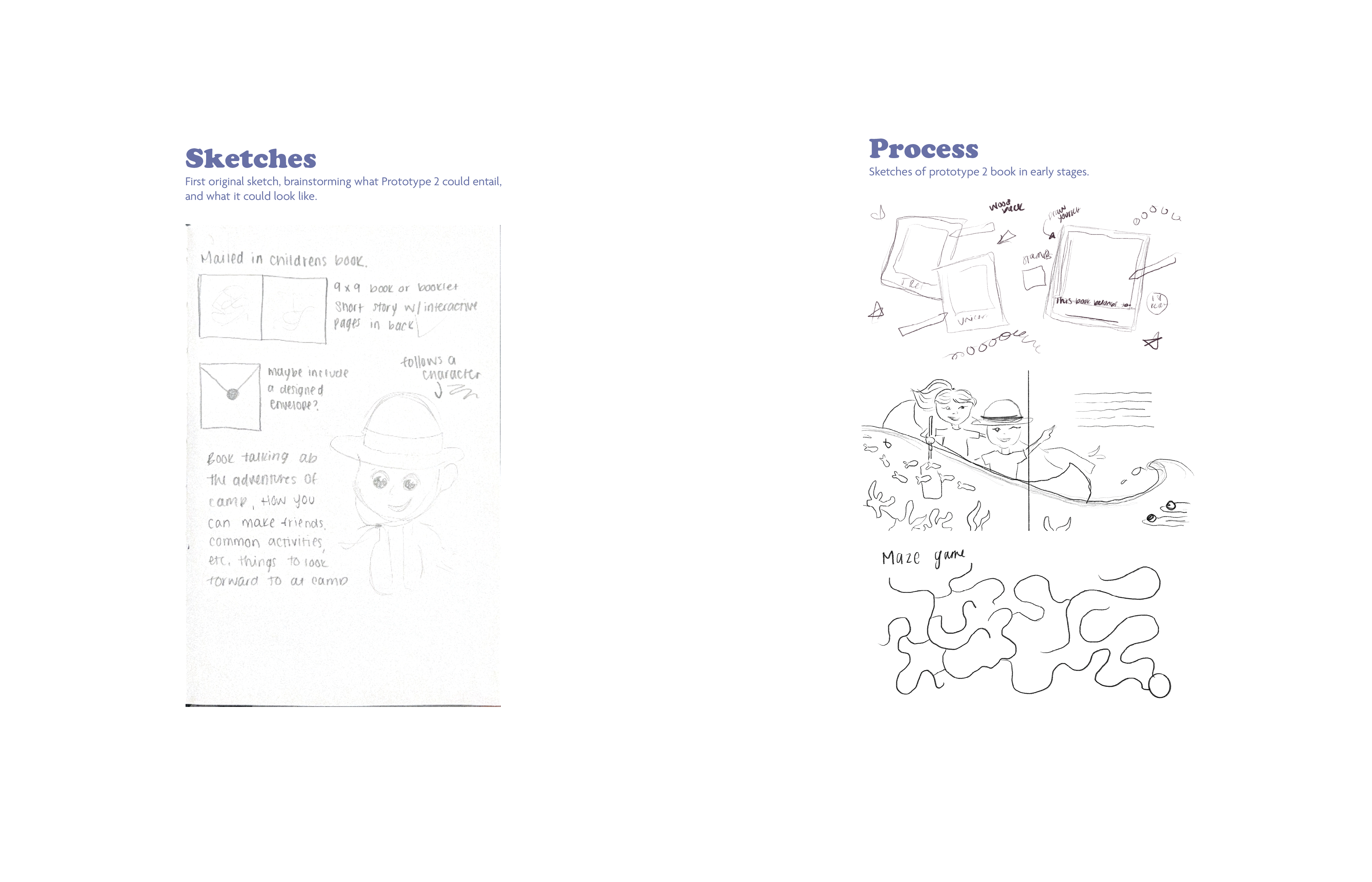
Two pages of pencil sketches and notes titled 'Sketches' and 'Process' for a prototype book design. The left page shows a child character sketch with notes about a 9x9 book or booklet, interactive pages, a designed envelope, and a story about camp adventures. The right page includes sketches of book covers, a drawing of two children in a boat with water, and a maze game outline.

So how can I use design with this research?

The objective of this prototype is to align with Kesem’s values and help create a space where children feel comfortable and excited about attending camp. Since everything Kesem works towards is “for the kids,” this concept is designed with that same focus in mind.
‍
One of the biggest challenges for many children is finding the courage to attend camp in the first place. While some Kesem chapters send welcome messages, creating something more universal could help every child feel connected before arriving.
‍
This prototype proposes an illustrated children’s book that introduces the excitement and magic of camp. There could be two versions, one for younger campers and one adapted for older campers. The book could also include interactive elements, such as prompts or activities, that children can bring to camp, helping them feel connected and engaged with the Kesem community. This is ultimately a tool to generate excitement for camp. How exciting is it as a child to receive soemthing in the mail just for them! This is another tool to create comfort for camp.

So here's what i created!

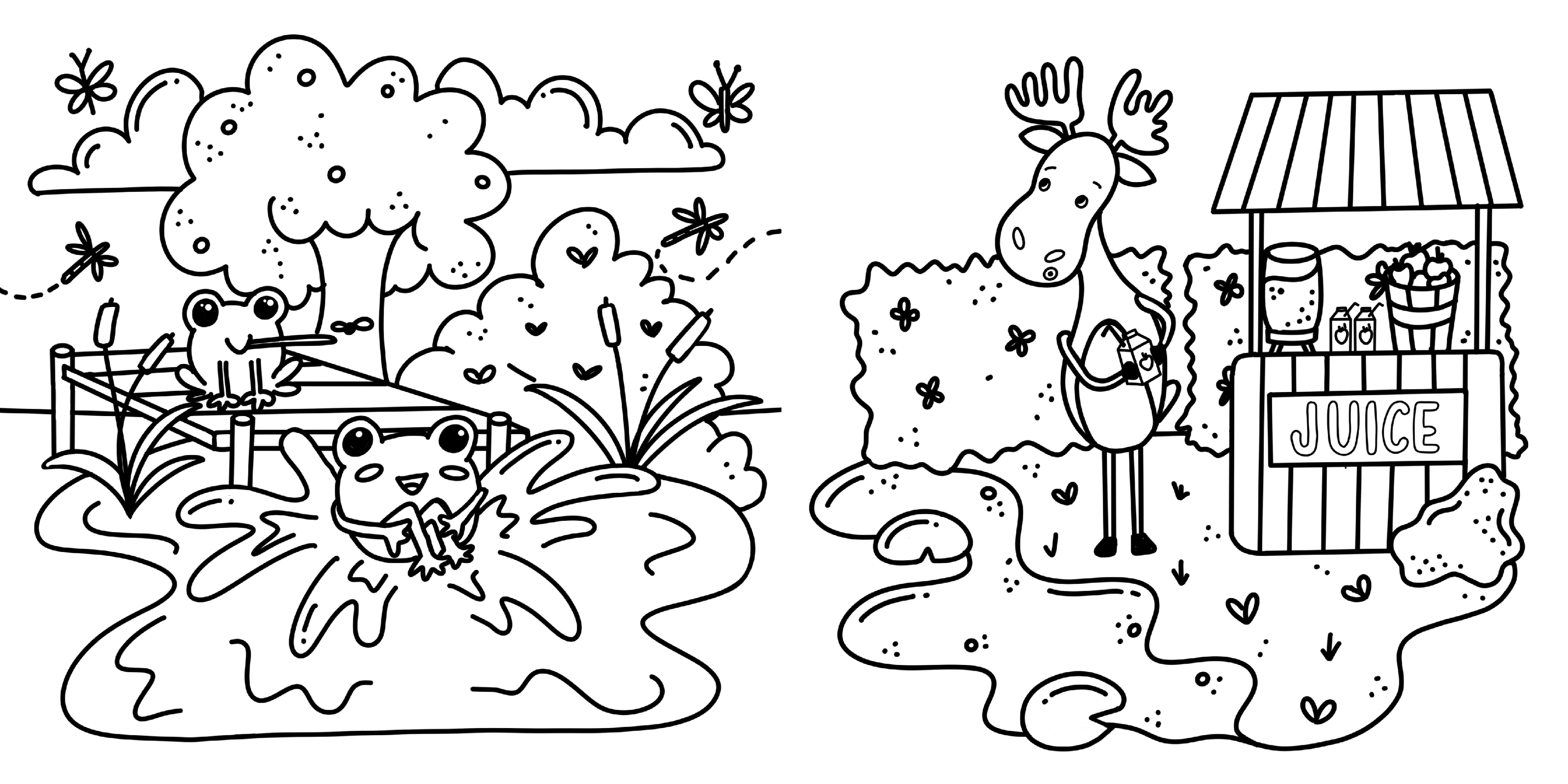
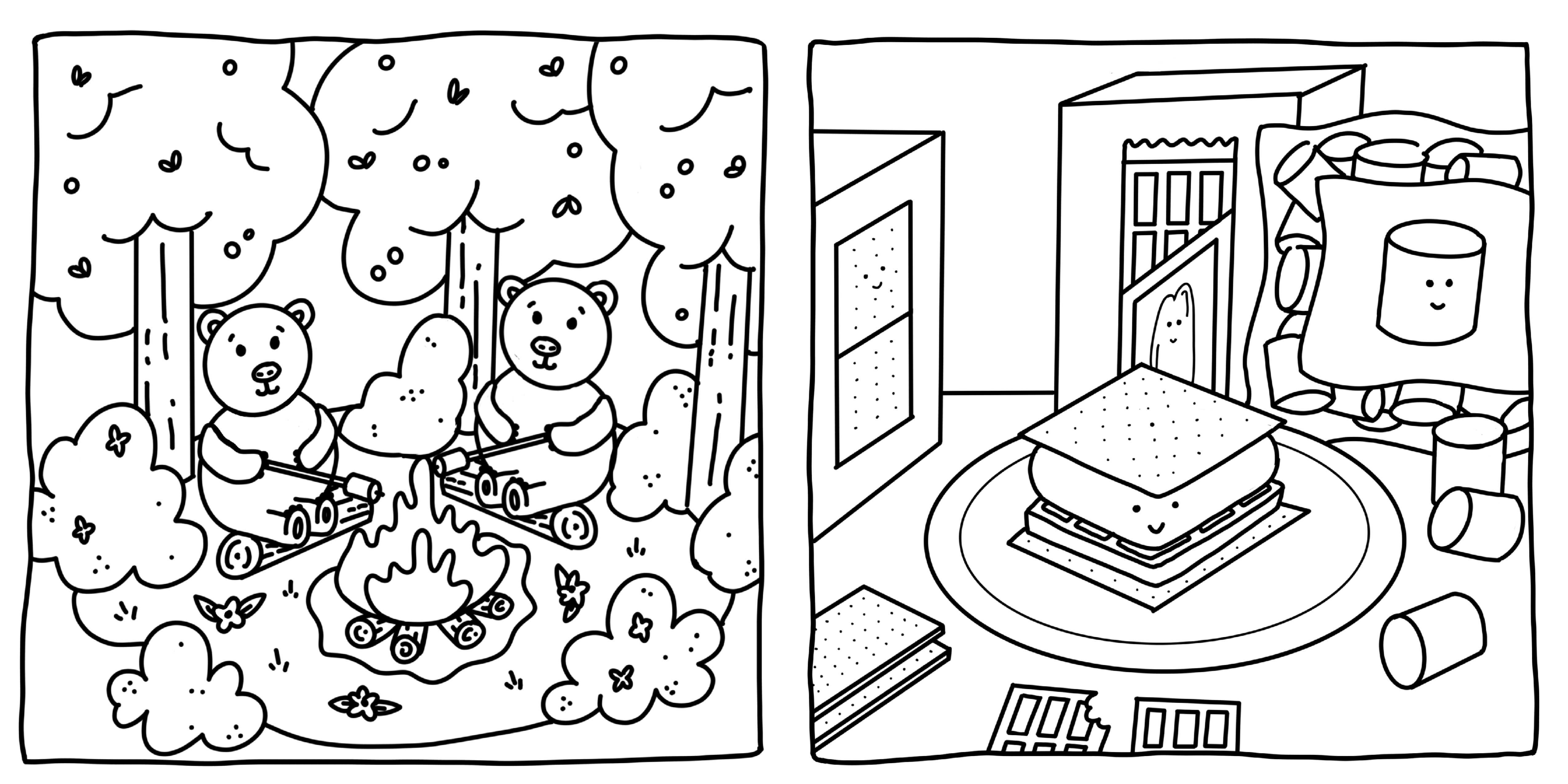
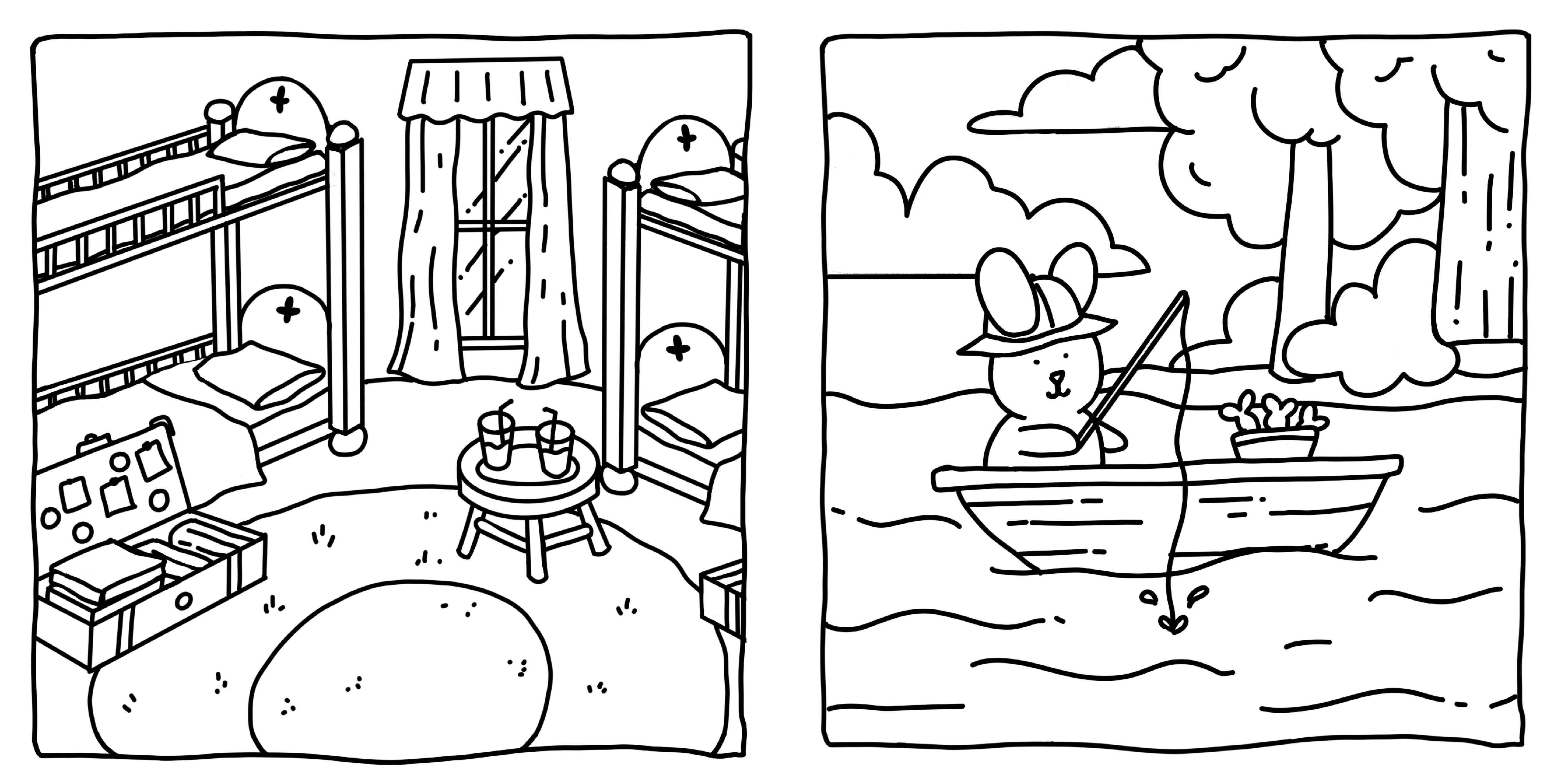
Illustration of a scrapbook-style page on a brown surface with cartoon photos of two children labeled 'I'm Rocky' and 'I'm Penny,' surrounded by colorful crayons, paperclips, hearts, stars, and camp-themed buttons and stickers. There is a blank photo frame labeled 'This book belongs to:' with crayons around it and the prompt 'Draw yourself' above.Illustration of two smiling children standing by a blue car packed with luggage on the roof. Next to them is a wooden sign pointing right that says 'Camp Kesem.' Text on the left side reads: 'HI! We heard you're going to Camp Kesem! We go to Camp Kesem too! Come with us, we'll show you our favorite parts of camp!'Illustration of two children walking on a forest path surrounded by green trees and plants, with sparkling light effects; one child waves while the other points ahead, accompanied by text about Camp Kesem describing it as a place where everyone feels understood and experiences fun activities like exploring forests and making new friends.Illustration of two children canoeing in water at sunset, with underwater view of colorful fish and aquatic plants, and text about their first canoeing experience at Camp Kesem saying they love it and it goes by fast.Night sky with purple and pink clouds, glowing yellow stars, crescent moon, and two people sitting near a tent in a forest silhouette. Text reads: Sometimes it's hard to leave your Kesem friends, but that's what makes it so special. Just remember we're all under the same MOON & STARS.Black-and-white cartoon scene with two frogs near a pond, one on a dock and one splashing in the water, surrounded by cattails, bushes, and butterflies; to the right, a moose holding a juice box stands next to a wooden juice stand with a jug, juice boxes, and a basket of fruit.Maze game on green grass background with a white bunny at the start and a patch of carrots at the finish, decorated with red flowers and mushrooms, titled 'Lost at Camp!' with text asking to guide the bunny back to his carrots.Two bears sitting by a campfire in a forest, roasting marshmallows on sticks, and a close-up of a plate with a smiling s'more surrounded by packets of marshmallows and chocolate bars.Plate on the left with text 'Pizza's for Lunch! Choose your toppings to make the perfect camp pizza' showing pepperoni, basil, mushrooms, and black olives as toppings. On the right, a plain cheese pizza with tomato sauce on a round crust on a red background.Black and white line drawing split in two panels: left panel shows a room with four bunk beds, a window with curtains, a round rug on the floor, a table with two drinks, and an open chest with books; right panel shows a rabbit wearing a hat fishing from a small boat on a body of water with trees and clouds in the background.Illustration of a blue-edged blank paper titled 'Whats in your bag?' with a prompt to pack for camp in 5 minutes and draw items. Next to it is a brown suitcase with orange corners and travel stickers, including 'Camp Kesem,' 'Bon Voyage,' and 'I love camp.' Around the suitcase are white socks, teal sunglasses, a red t-shirt, and yellow flip-flops on a brown surface with yellow stars and white dots.Colorful notebook paper background with cartoon photos of two kids wearing name tags labeled 'Rocky' and 'Penny.' Rocky explains his camp name is Rocky because he loves the Rocky Mountains. Penny says her camp name is Penny because she collects lucky pennies. Surrounding them are crayons, paper clips, stars, hearts, a stamp, and badges with camp themes. A large nametag on the right reads 'Hi! My name is:' for writing a camp name, with the text 'It's time to pick a CAMP NAME!' at the top.

Final Results

Overall, the research I have conducted this year has brought me closer to Kesem and to all those affected by cancer. While Kesem brings so much good into the world and creates meaningful magic for the kids it supports, it exists because of a disease as devastating as cancer. Nonetheless, until there is a cure, there’s Kesem.
‍
As a counselor and executive member of the Kesem chapter at JMU, this project has become especially meaningful to me. Knowing that these prototypes can have a real impact, both on the children Kesem serves and on those unfamiliar with the organization, has been incredibly rewarding. By bringing more awareness to Kesem and its mission, this work ultimately supports every child impacted by this organization.
‍
I hope you have learned something from this research, as I have, and that you can feel the Kesem magic too.